
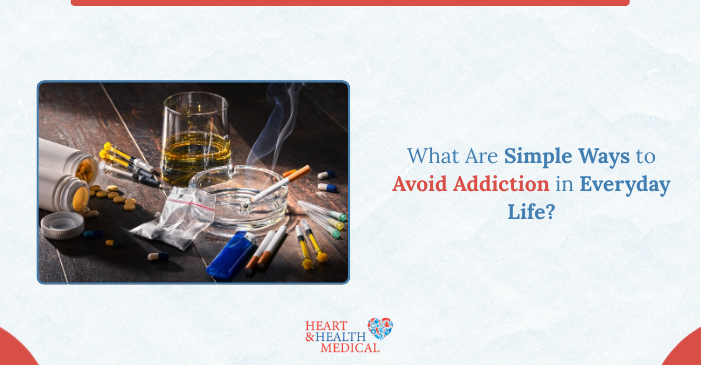
Addiction rarely develops overnight. It often begins with stress, curiosity, or repeated behaviors that initially feel harmless but gradually become difficult to control.
Understanding how addiction forms—and recognizing early warning signs—can significantly reduce long-term risk and protect both mental and physical health. Early awareness and consistent daily habits are key to prevention.
What Is Addiction?
Addiction is a chronic condition characterized by the inability to stop a behavior despite negative consequences. It can affect brain function, physical health, emotional stability, and daily responsibilities.
Common forms of addiction include:
- Substance use (alcohol, drugs, nicotine)
- Behavioral patterns (gambling, excessive screen time)
- Compulsive habits that interfere with normal functioning
Early Signs of Addiction
Recognizing early symptoms is one of the most important steps in prevention. Warning signs may include:
- Loss of control over behavior
- Increasing cravings or dependence
- Neglecting personal or professional responsibilities
- Mood changes, irritability, or anxiety
- Developing tolerance (needing more to achieve the same effect)
Addiction is often linked to underlying factors such as stress, trauma, mental health conditions, or environmental influences.
Practical Ways to Prevent Addiction
Preventing addiction starts with intentional daily choices that support long-term physical and mental well-being.
Identify Personal Triggers
Triggers are situations, emotions, or environments that increase the urge to engage in harmful behaviors. These may include stress, loneliness, social pressure, or unstructured time.
Recognizing triggers allows for proactive planning and better decision-making.
Build Structured Daily Habits
Consistent routines provide stability and reduce vulnerability to unhealthy behaviors.
Focus on:
- Maintaining a regular sleep schedule
- Eating balanced, nutritious meals
- Staying physically active
- Practicing consistent daily structure
Healthy routines strengthen both mental resilience and physical health.
Stay Engaged in Meaningful Activities
Unstructured time and boredom can increase the risk of impulsive behavior. Staying engaged in productive activities helps maintain focus and purpose.
Examples include:
- Physical activity or sports
- Learning new skills
- Reading or personal development
- Spending time with family and supportive peers
Surround Yourself with Positive Influences
Social environment plays a significant role in behavioral patterns. Supportive, health-focused individuals can reinforce positive decision-making.
Prioritize relationships with people who:
- Respect your boundaries
- Support your goals
- Encourage healthy choices
Develop the Confidence to Say No
Situations involving peer pressure can be challenging. Setting clear boundaries is essential.
Simple, direct responses such as:
- “I’m focusing on my health”
- “That’s not something I’m interested in”
can help reinforce personal priorities.
Manage Stress Effectively
Stress is one of the most common drivers of addictive behavior. Developing healthy coping mechanisms is critical.
Effective strategies include:
- Physical activity or walking
- Deep breathing or relaxation techniques
- Journaling or reflection
- Talking with a trusted individual
Support Is Available
If you or someone you care about is beginning to experience difficulty controlling certain habits, early guidance can prevent long-term complications.
At Heart & Health Medical, our addiction specialists provide physician-led, evidence-based care focused on early intervention, behavioral evaluation, and personalized treatment planning.
Prioritize Mental Health
Mental health plays a central role in addiction prevention. Addressing symptoms such as anxiety, depression, or chronic stress early can significantly reduce risk.
Helpful approaches include:
- Professional counseling or therapy
- Mindfulness and stress-reduction techniques
- Maintaining consistent routines and sleep patterns
Understand the Long-Term Risks
Addiction can affect every aspect of life, including:
- Physical health
- Cognitive function
- Relationships
- Career and daily responsibilities
Education and awareness are essential in making informed, protective decisions.
Set Clear Goals and Direction
Having defined personal and professional goals provides structure and purpose. Individuals with strong direction are less likely to engage in harmful behaviors.
Examples include:
- Advancing education or career
- Maintaining physical health
- Strengthening family relationships
Limit Exposure to Harmful Influences
Media and environment can influence behavior. Reducing exposure to content that normalizes harmful habits can support healthier decision-making.
Choose content that:
- Promotes personal growth
- Encourages healthy living
- Reinforces positive values
When to Seek Help
If behaviors begin to feel difficult to control, seeking professional support early is critical.
At Heart & Health Medical, we offer:
- Comprehensive medical evaluations
- Personalized addiction prevention and treatment plans
- Ongoing monitoring and support
Care is led by Dr. Joyce Gholson, Board-Certified in Addiction Medicine, with a focus on safe, effective, and individualized care.
We proudly serve patients across:
- Coram
- North Babylon
- Massapequa
- Plainview
Same-week appointments are available.
Call (516) 878-7899
Visit: www.heartandhealth.com
Build a Life That Reduces Risk
A structured, healthy lifestyle leaves less room for harmful habits to develop.
Focus on:
- Consistent self-care
- Strong relationships
- Personal growth
- Preventive health
Early action and informed choices create long-term stability.
FAQs
Is addiction limited to drugs and alcohol?
No. Addiction can also involve behaviors such as gambling, gaming, or excessive technology use.
Can addiction be completely prevented?
While no method guarantees prevention, strong habits, awareness, and early intervention significantly reduce risk.